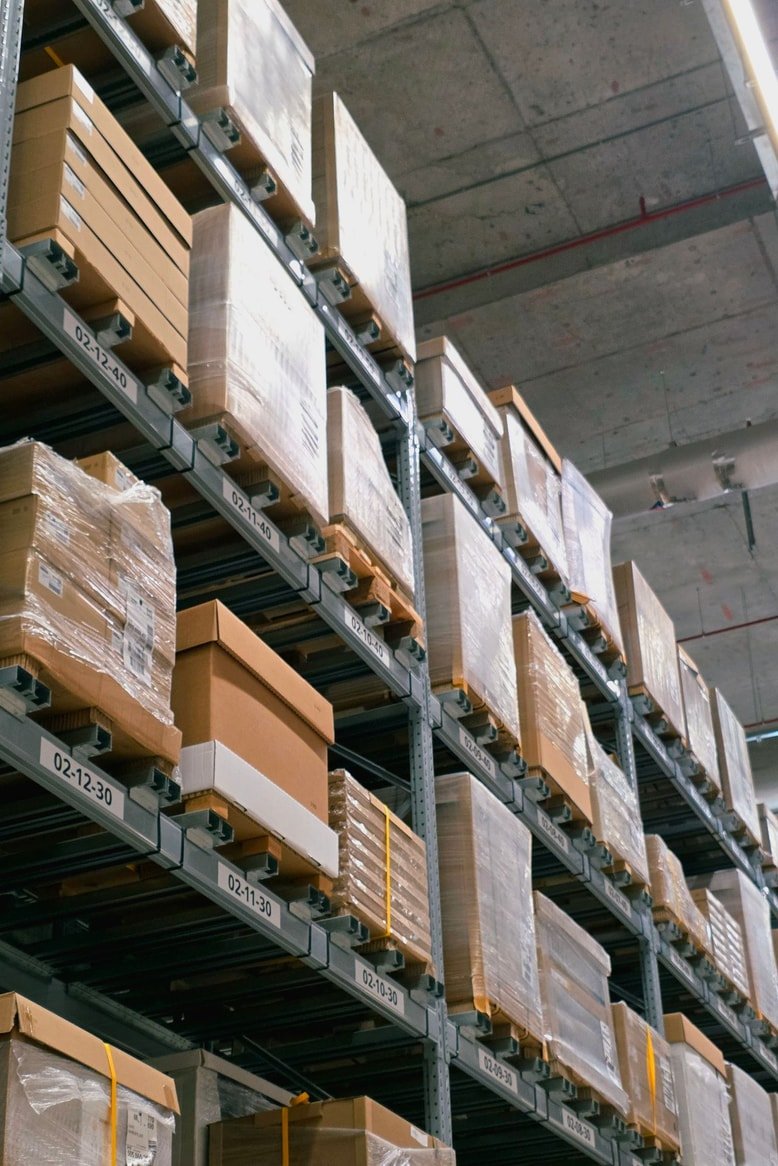

Practical resource responsibility.
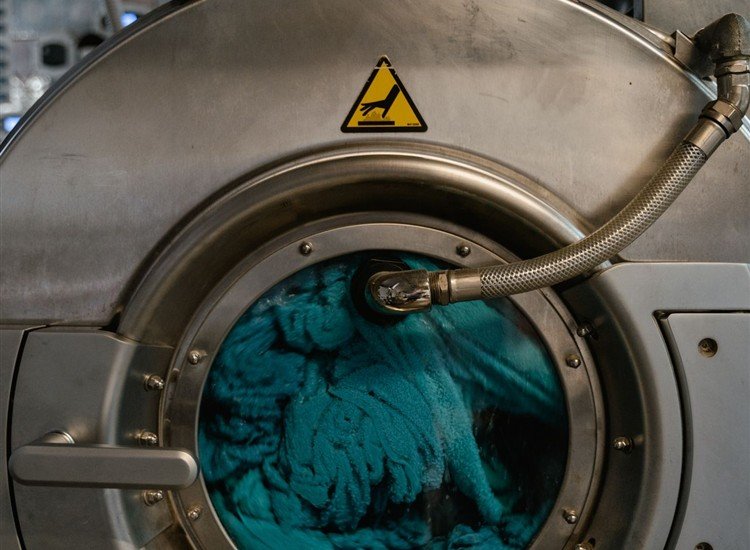
Resource Awareness
We consider energy, water, materials, chemicals, waste and transport when they are relevant to our products and operations.
Continuous Improvement
We aim to improve planning, coordination and environmental awareness as operational systems and information mature.
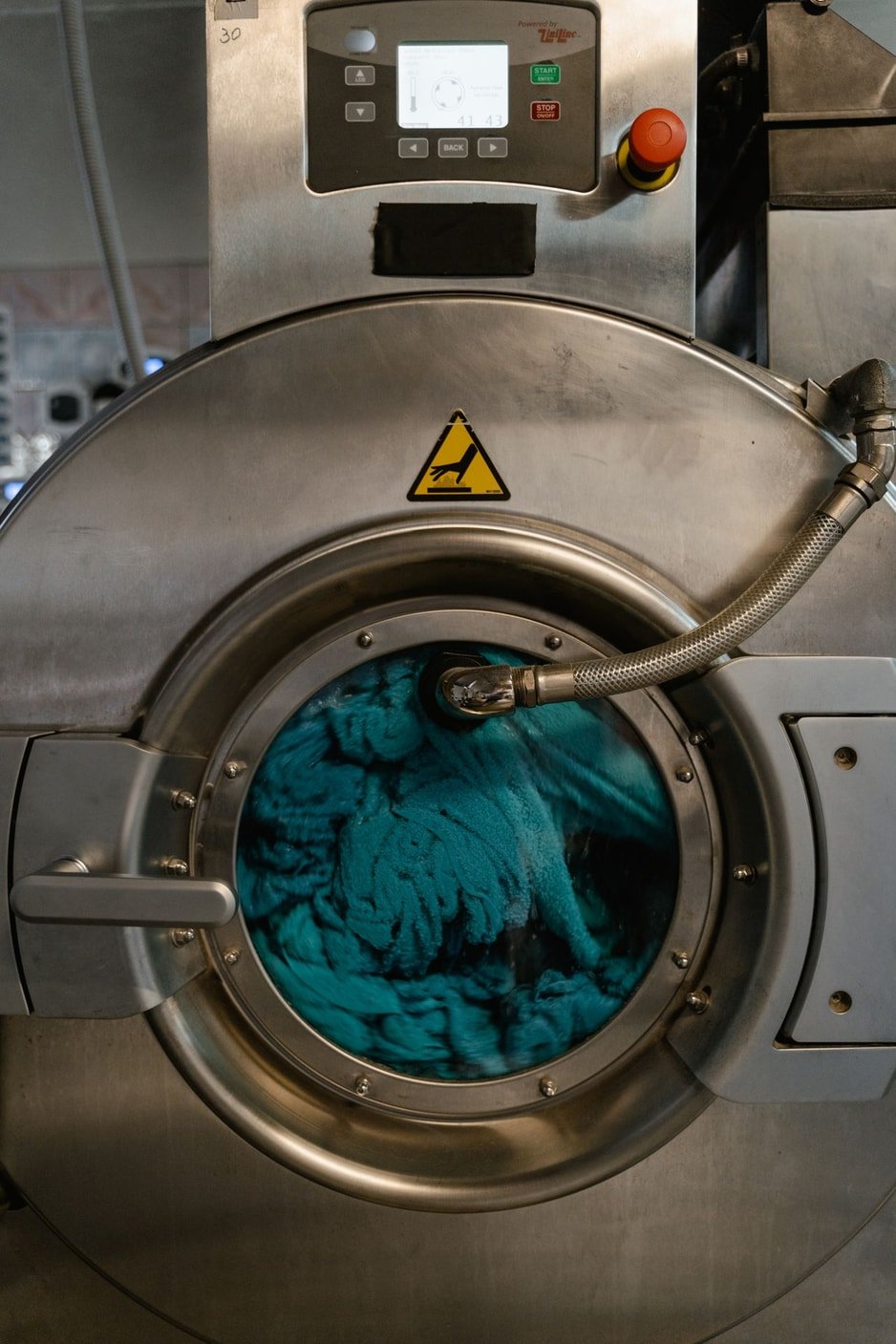
Using Resources More Responsibly
Environmental responsibility means understanding where our activities use resources and making practical improvements as our operations develop.
Across product sourcing, trade support and logistics, we consider the relevance of energy, water, materials, chemicals, waste and transport. Our approach is guided by applicable requirements, careful planning and a commitment to avoid preventable impact where we can influence it.
- Product and destination environmental requirements.
- Efficient planning, materials and packing.
- Environmental awareness across growing operations.
Environmental Areas We Consider
These areas provide a clear framework for future improvement. The actions applied will depend on our role in each transaction, operational data, customer needs and applicable regulations.
Energy & Efficiency
We consider efficient working methods and appropriate planning where energy use is within our influence.
Climate & Emissions
Transport, production support and material choices can be reviewed as we build stronger operational information.
Water Stewardship
For relevant textile and product activities, we recognise the importance of responsible water use and applicable controls.
Responsible Chemicals
We consider product information, handling needs and applicable chemical requirements in relevant business activities.
Waste Management
Clear specifications, suitable packing and careful coordination can help reduce avoidable damage, rework and waste.
Materials & Packaging
We consider fit-for-purpose materials and packaging that protect products while avoiding unnecessary use where practical.
Environmental Responsibility in Practice
For Aericon, environmental progress must be relevant to the products, partners and logistics activities we actually coordinate.
In textiles and garments, this can include awareness of materials, processing and product requirements. In trade and logistics, it can include accurate documentation, suitable packing and coordinated movement to avoid unnecessary handling or repeat shipments.
- Partner alignment on product environmental needs.
- Efficient shipment consolidation and delivery planning.
- Measurement of energy, water, waste and emissions.
- Compliance reviews as business activities expand.
We will develop more specific priorities and measurable targets as our operational data, systems and business requirements mature.